













































What the work is attached to.
- 11Billboard placements combinedtwo no. 1s and nine top tens, across three clients' work
- 10RIAA certifications combined4 platinum and 6 gold, across three clients' work
- 2.1b+streams combined1.5b credited to one client studio's engineer, plus 360m+ and 300m+ across two client catalogs
- 15client properties liveevery one of them scrollable on this page
- no. 1Billboard country airplayChase Matthew's Darlin', produced by a client
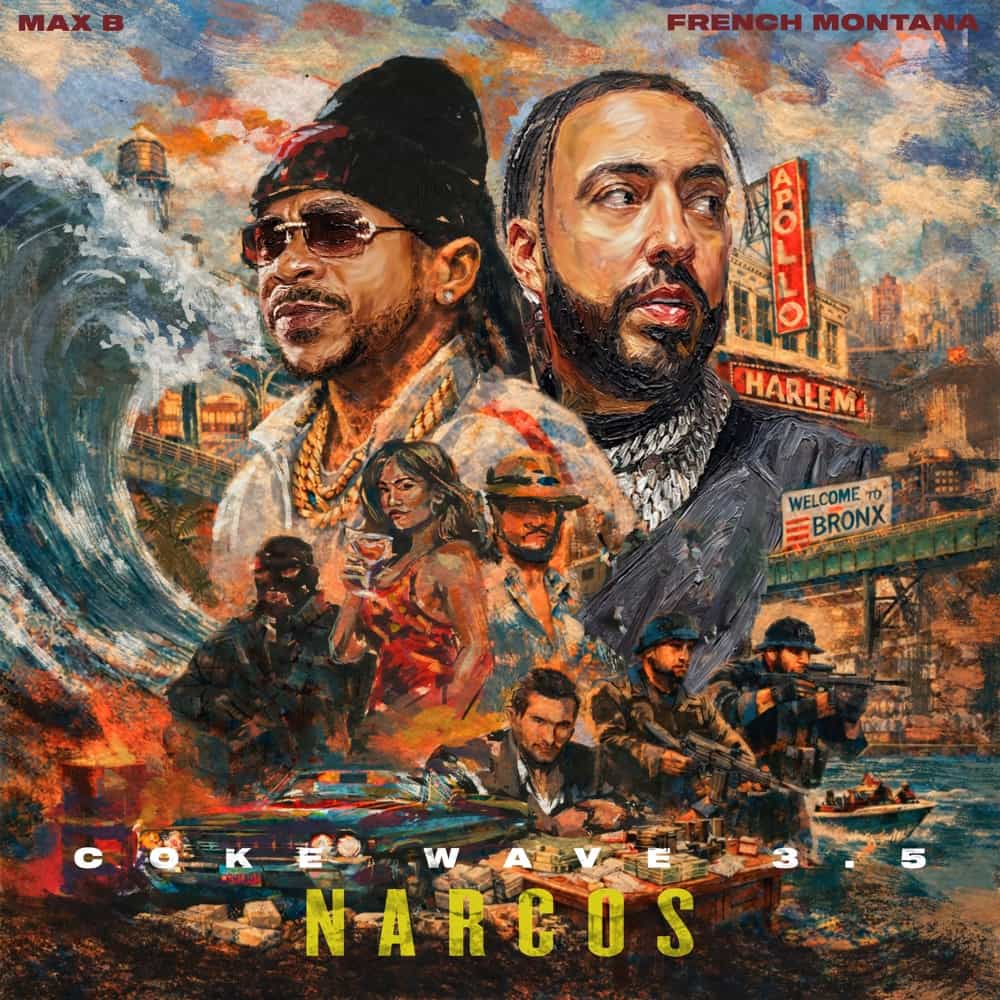
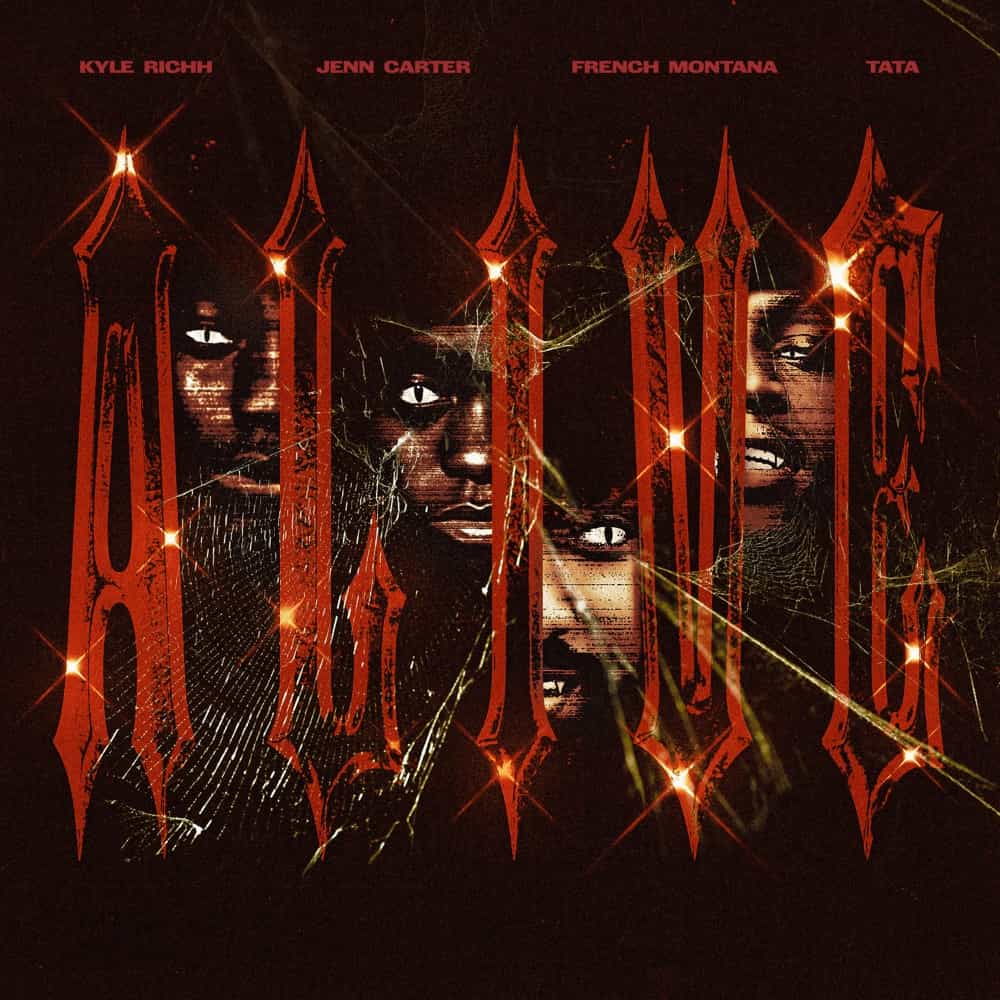
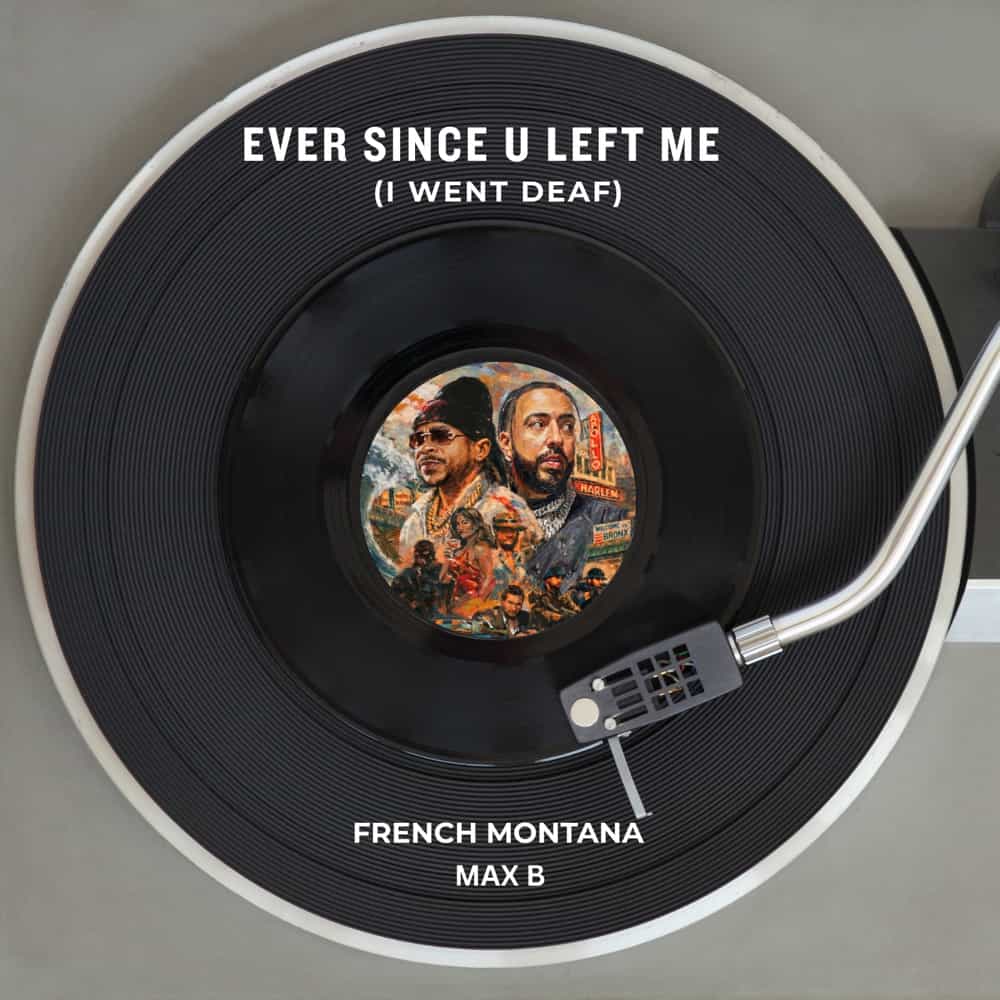
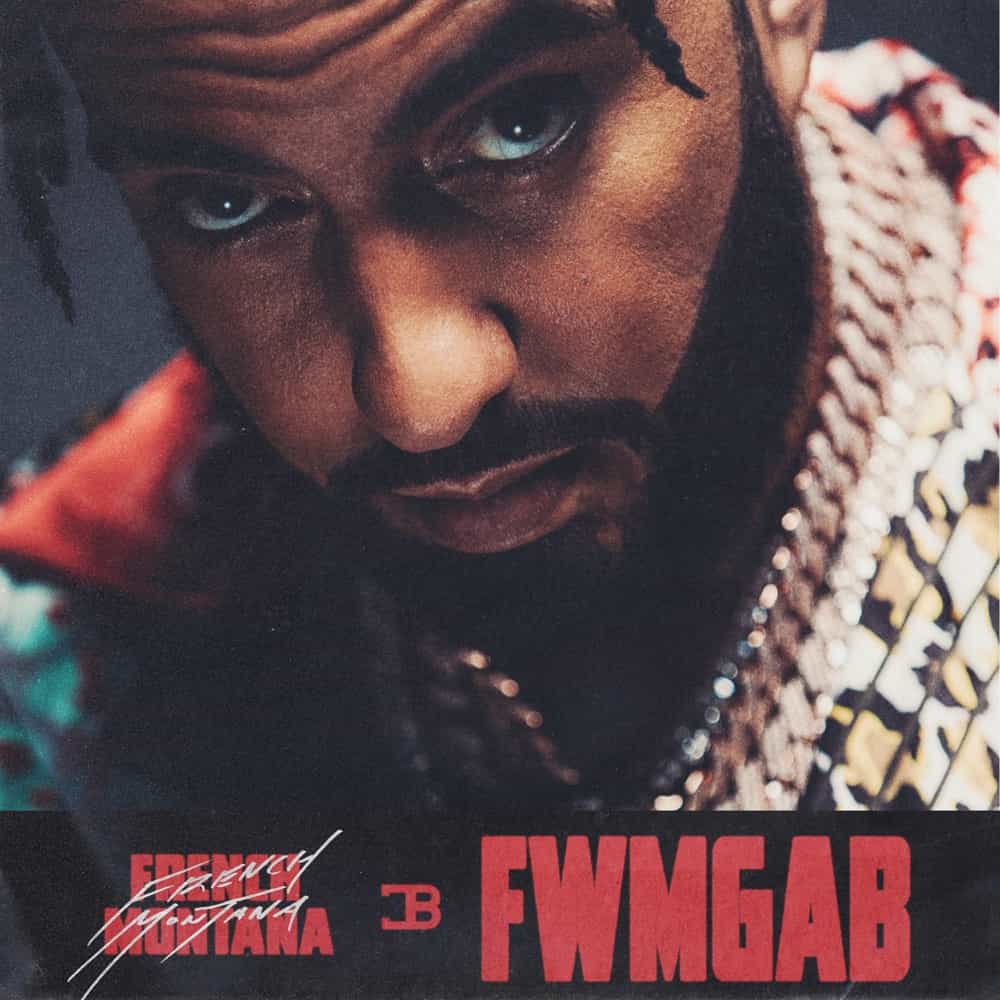
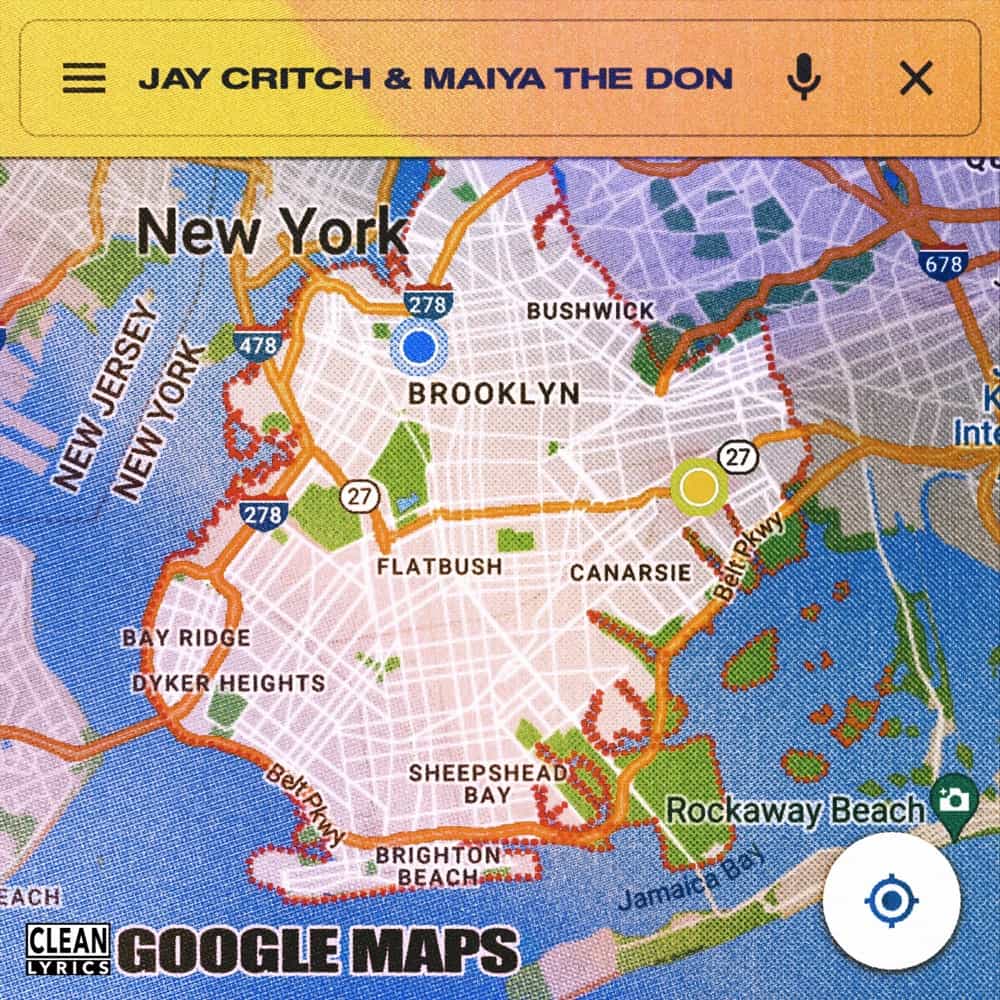
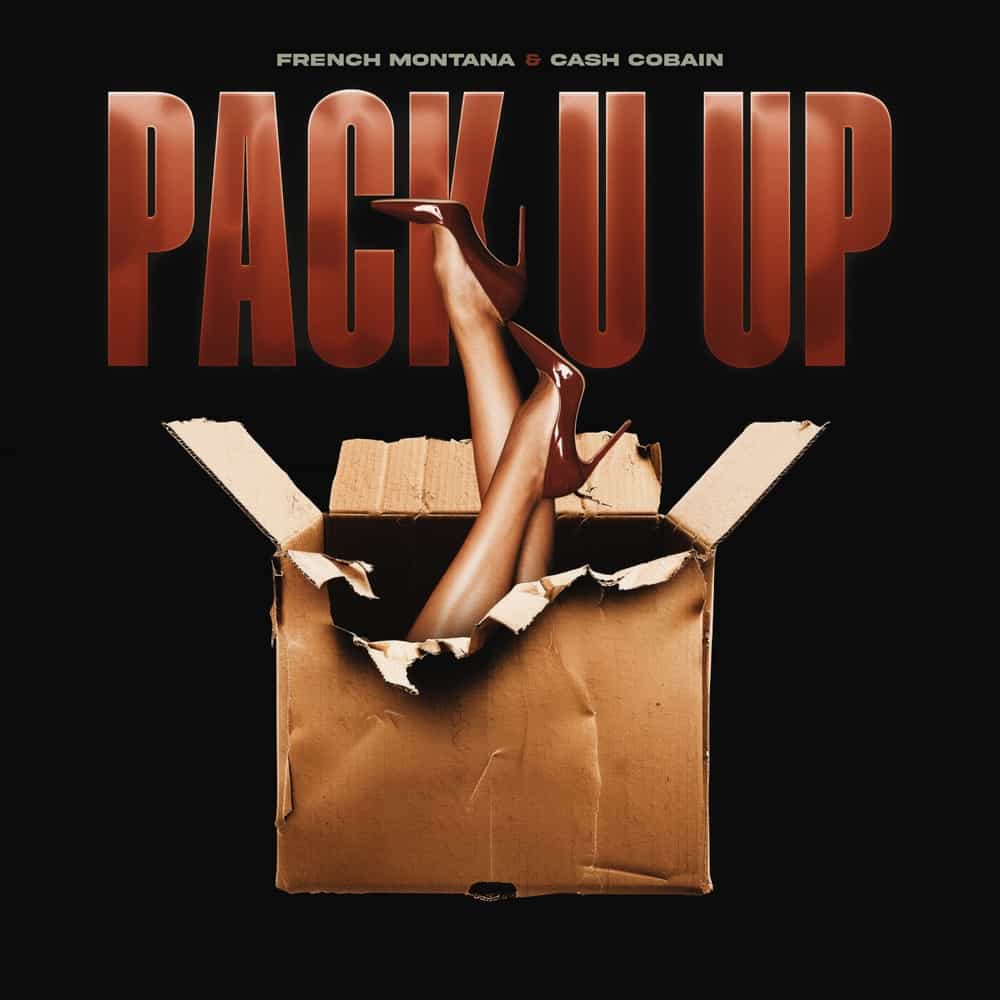
- no. 1Billboard rhythmic airplayEver Since U Left Me, french montana and max b, mixed by a client. nominated for best collaboration at the 2026 MTV video music awards
- 5xRIAA platinum and gold4 platinum, 1 gold. ice spice records mixed by a client studio's engineer
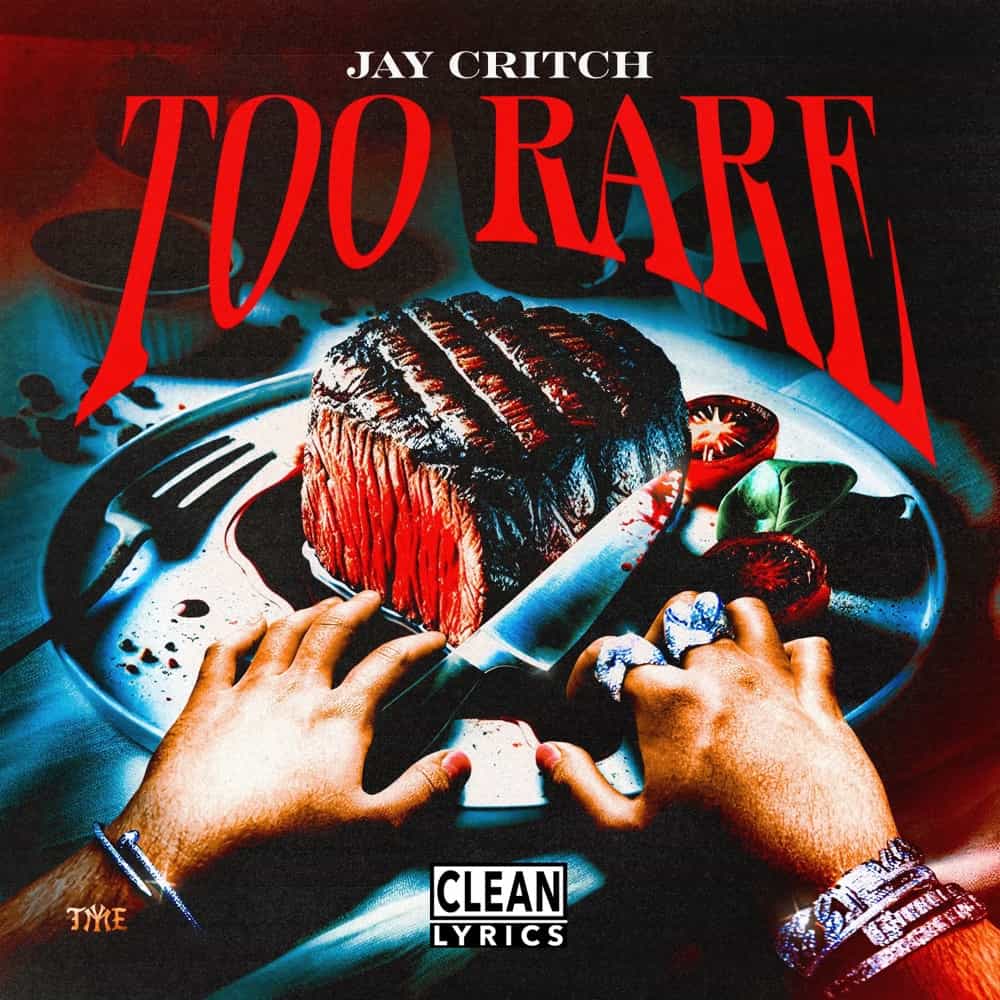
- RIAA certified goldOutback, out of a client catalog carrying nine billboard top tens
- silverBRIT certified silverNobody's Better, a client's record. no. 45 on the UK official independent singles chart
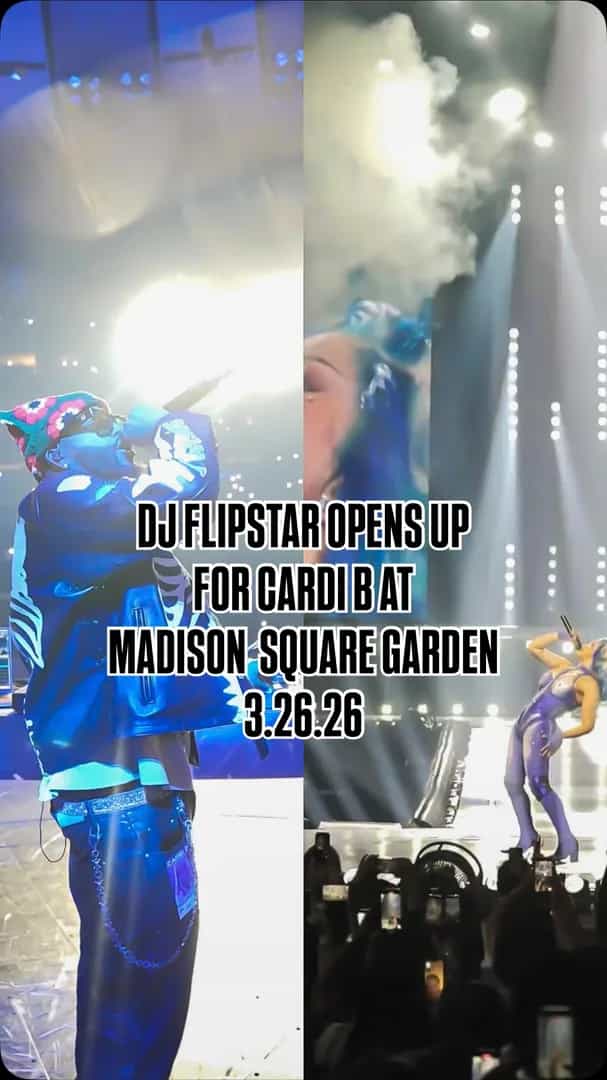
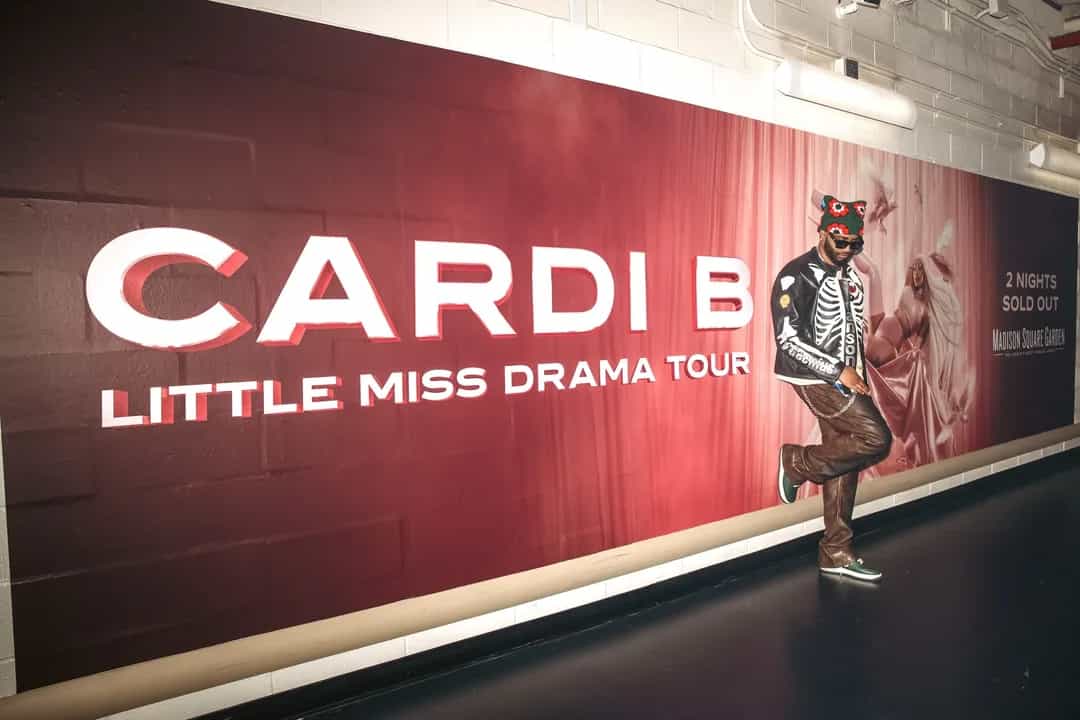
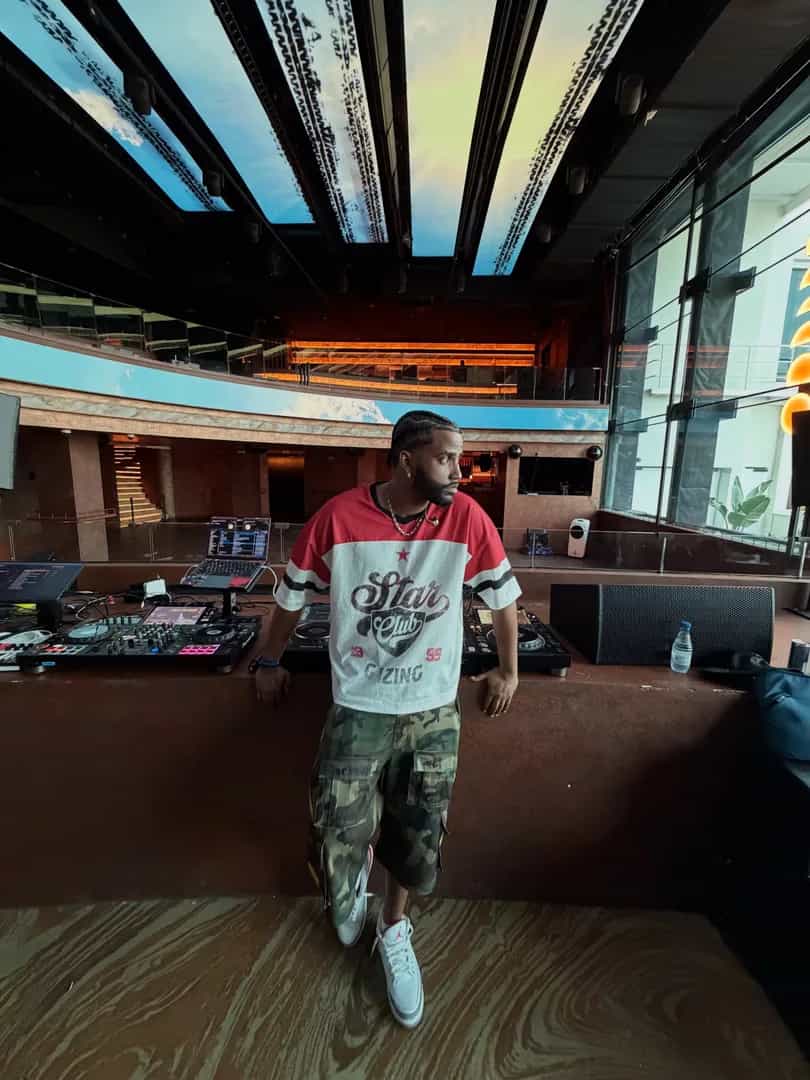
- MSGopened for cardi ba client DJ on the sold-out bill at madison square garden, march 2026
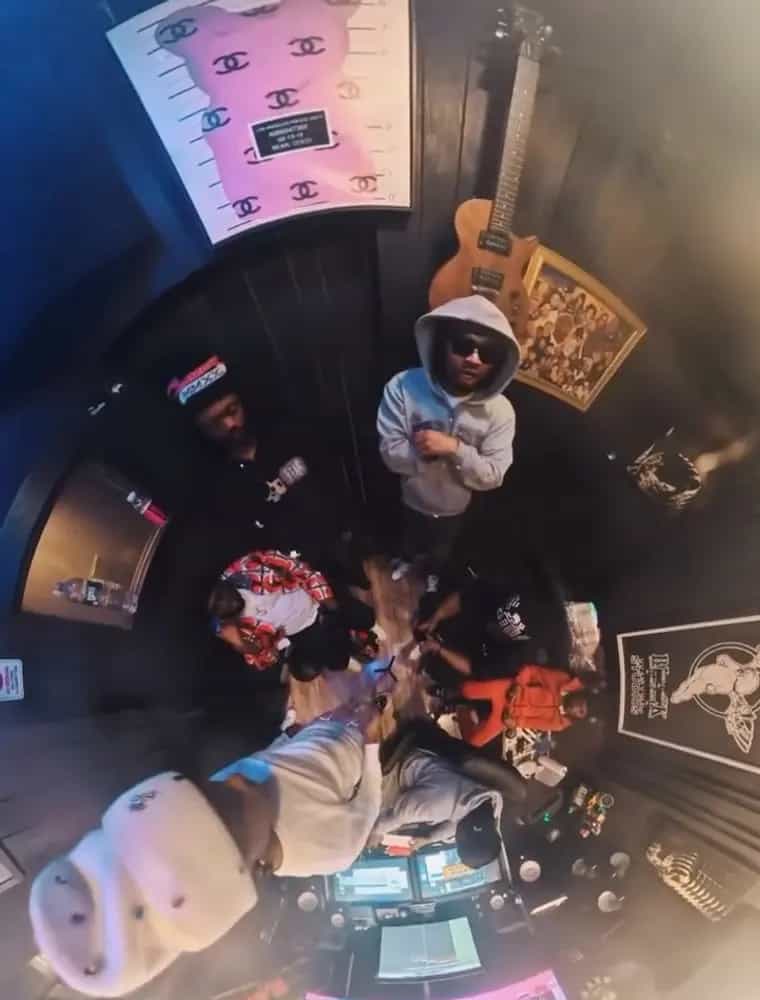
- 75+artists through the roomat a client studio. snoop dogg to nba youngboy
- 1,500+campaigns on the roadrun by a client company across 40+ states, canada and the UK


 currently in progress



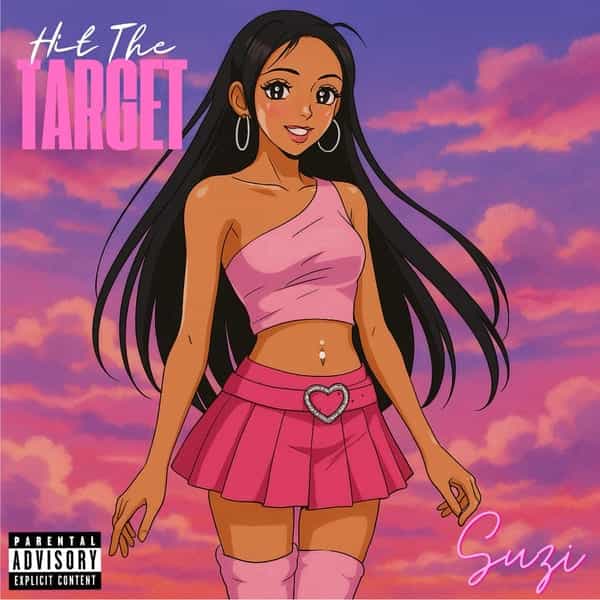
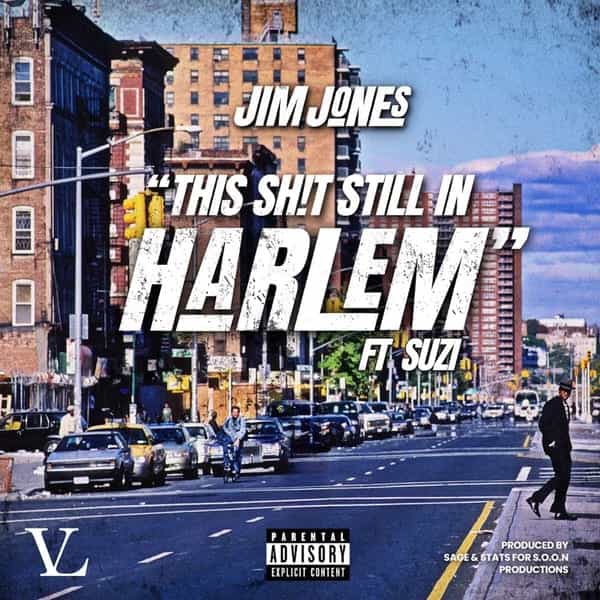
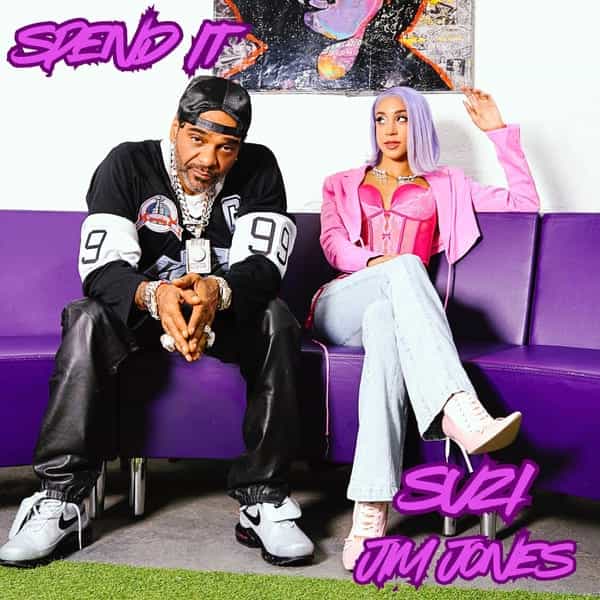
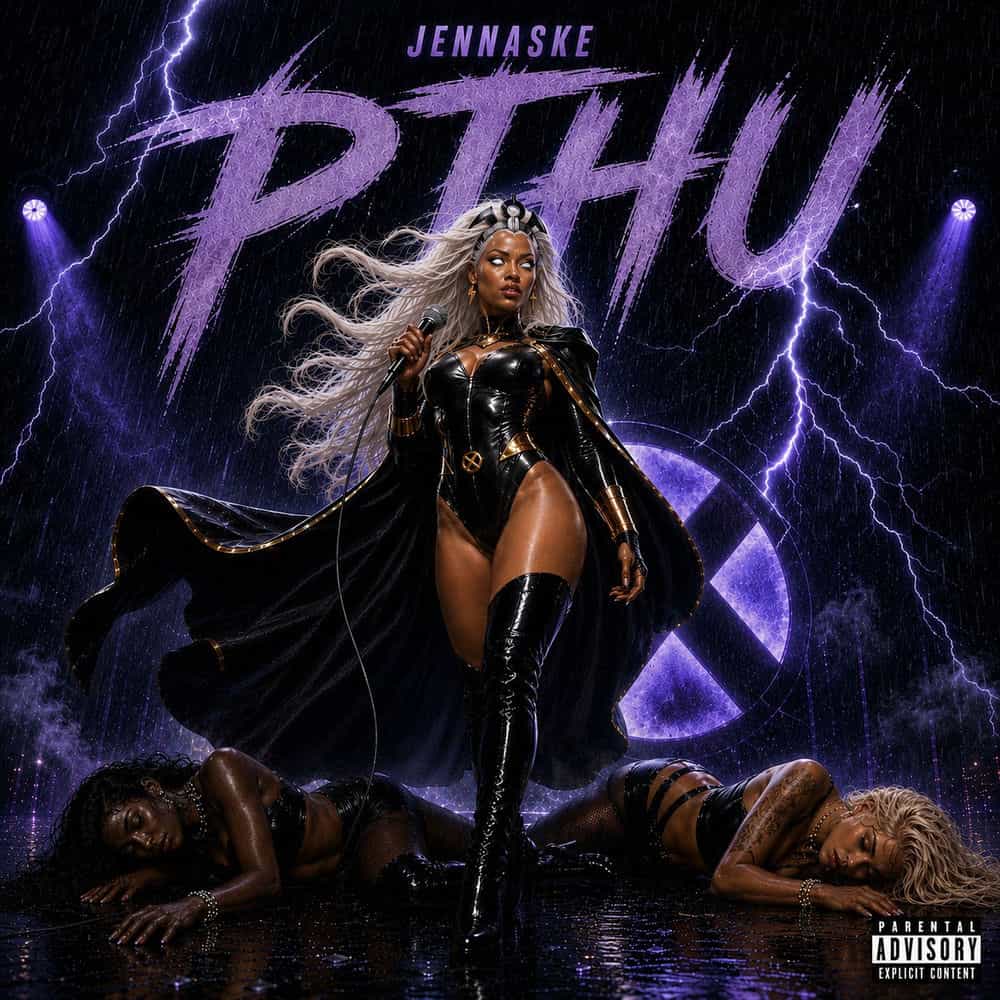
the single with fetty wap
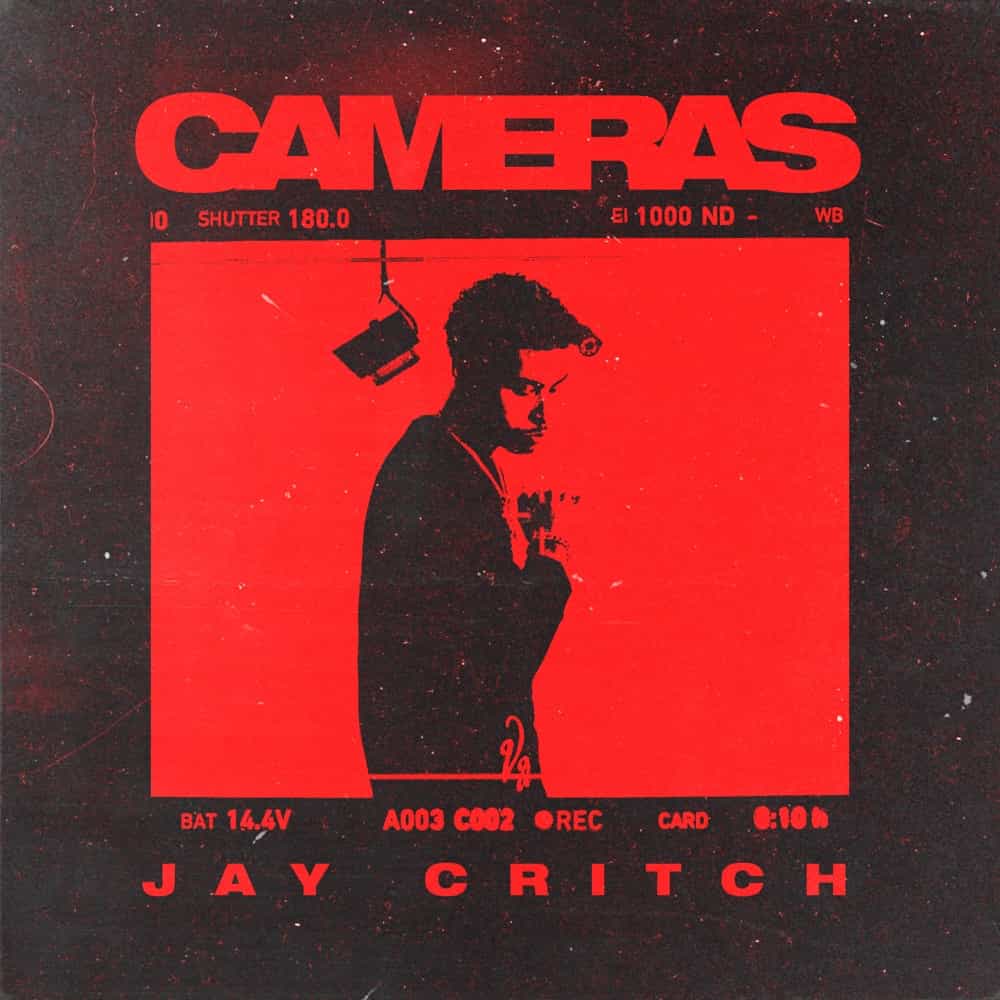
Nobody's Better
Suzi featuring Fetty Wap
BRIT certified silver · no. 45, UK official independent singles chart

the biggest record on his wall
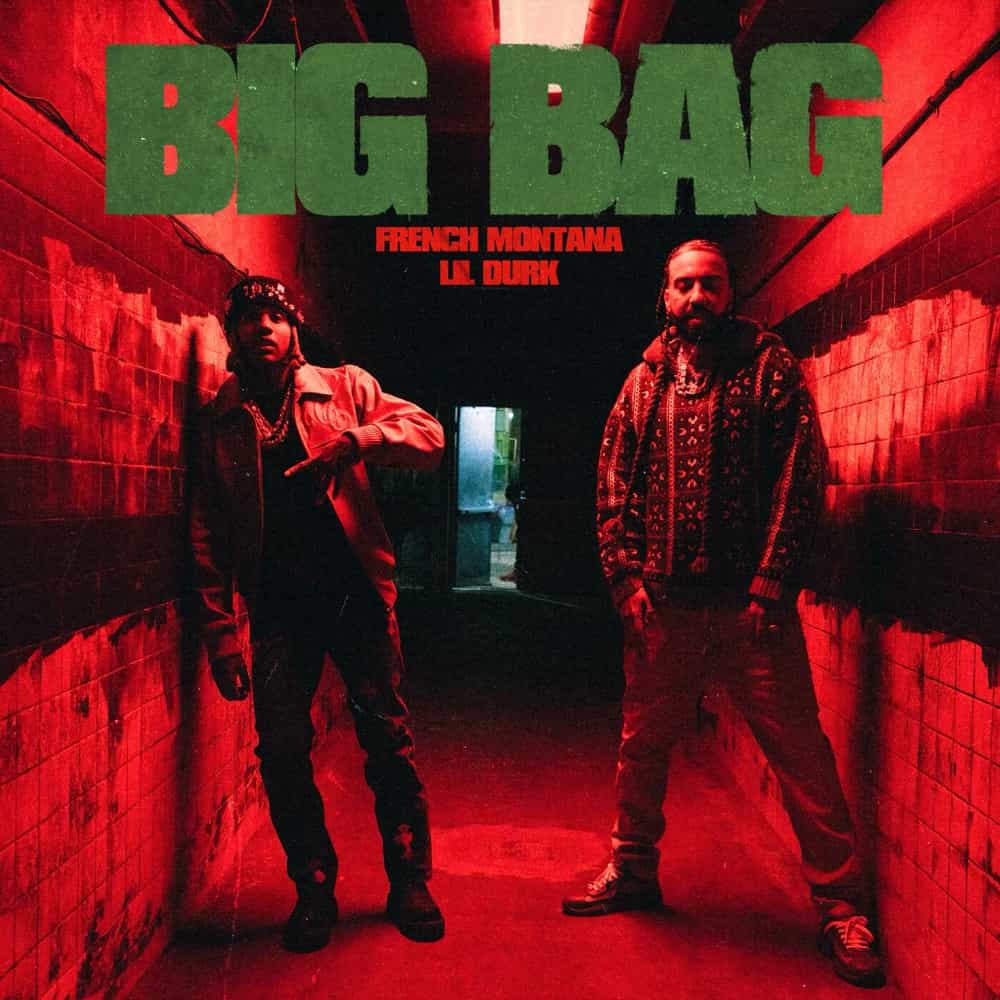
Ever Since U Left Me (I Went Deaf)
French Montana and Max B, his immersive mix
no. 1, billboard rhythmic airplay · 2026 VMA best collaboration nominee
 currently in progress
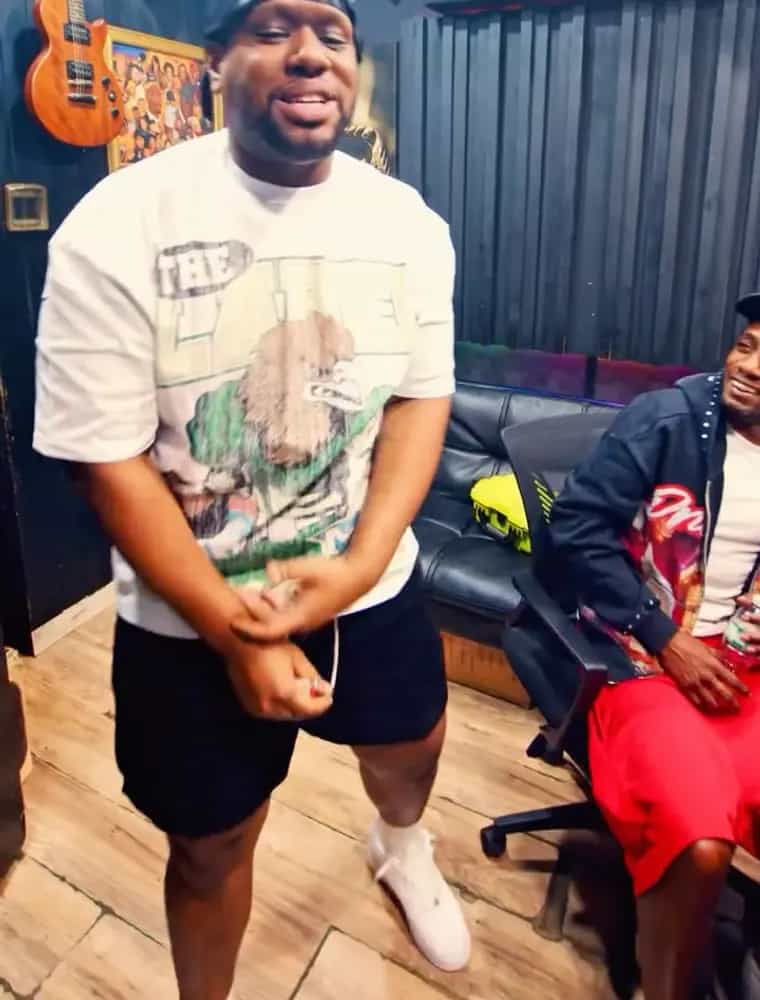
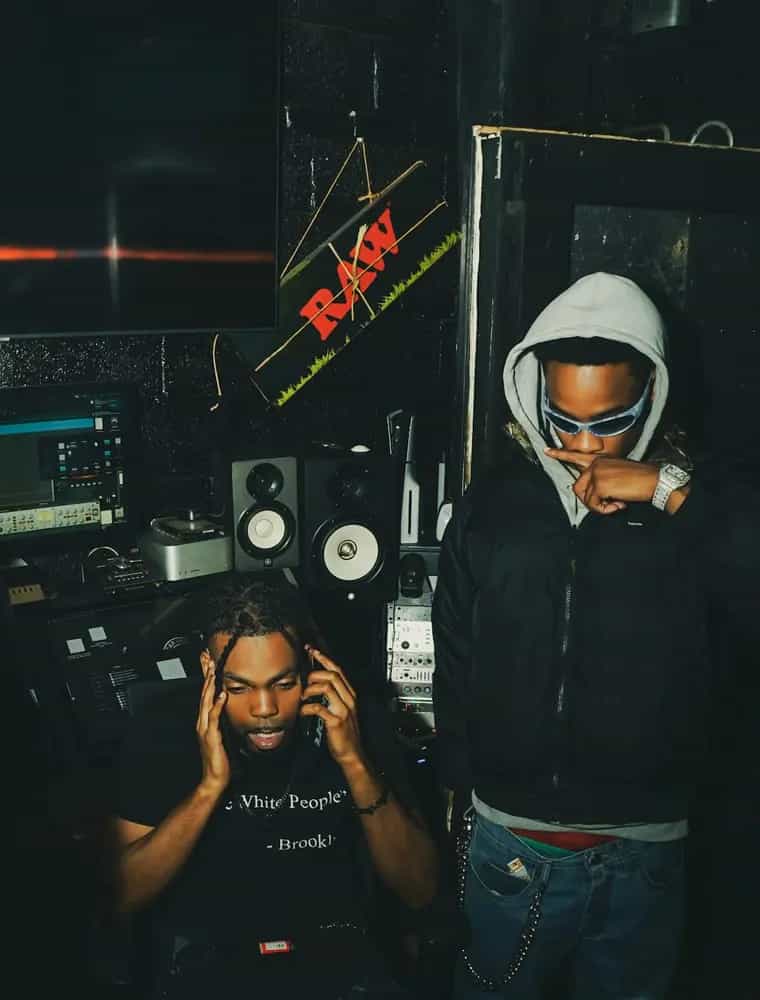
the studio's own reel, playing here. this is the room, posted by the room.
the records that came out of that room.
five RIAA certifications, all of them ice spice, all of them mixed by the studio's engineer. play any of them right here.
- Munch (Feelin' U)PlatinumIce SpiceMixing, Engineer · certified August 2025
- Princess DianaPlatinumIce Spice with Nicki MinajEngineer, Mixing · certified February 2024
- In Ha MoodPlatinumIce SpiceMixing, Engineer · certified February 2024
- DeliPlatinumIce SpiceMixing · certified February 2024
- Bikini BottomGoldIce SpiceMixing, Engineer · certified December 2025
the rest of the ice spice credits, off the same profile
- Gangsta BooEngineer, Mixing · Jan 2023
- Butterfly KuMixing · Jul 2023
- Actin A SmoochieMixing, Engineer · Jul 2023
- On The RadarMixing · Jul 2023
- Think U The Shit (Fart)Mixing, Engineer · Jan 2024
- Think U The Shit (Fart), Sped UpMixing · Jan 2024
- Think U The Shit (Fart), SlowedMixing · Jan 2024
- Gimmie A LightMixing, Engineer · May 2024
- Baddie BaddieMixing · Jan 2025
- Big Guy, from The SpongeBob MovieMixing · Jan 2025
- ThootieEngineer, Mixing · Jan 2025
- ThootieMixing, Engineer · Dec 2025
and seven more, all live.
scroll any of them right here, or open one in a new tab and go through the whole thing.

 currently in progress
named by kobalt's trade announcement, then corroborated record by record.
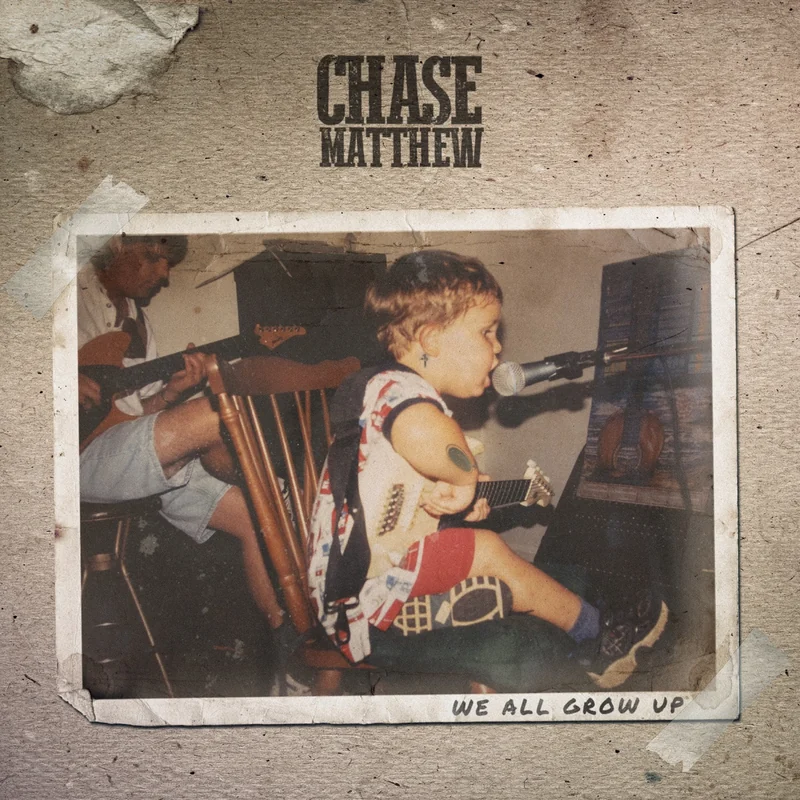

 Chase MatthewDarlin'no. 1billboard country airplayproduced by Alex Maxwell and Jake Angel
 Jamie RayCountry Trap34.2mspotify plays across three credited tracksproducer credit: Jake Angel Beats
 TrapHouse KodaOld Silverado10.4mviews on the official videoprod. by @JakeAngelBeats
 Jay WebbCowboy Killers5.3mviews on the official videoproduced by: Jake Angel Beats
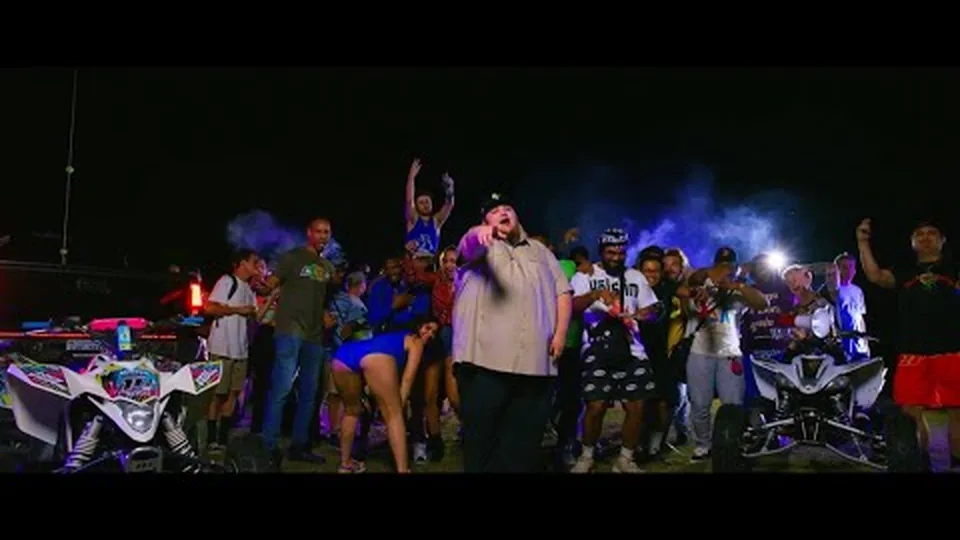 TrapHouse KodaDirt Road Lullaby1.0mviews on the official videoproduced by: @JakeAngelBeats
 NBA YoungBoyREVOLT, december 2022
 Red Guitarsband blog, august 2023
LiffGoddapple music, 2024
 currently in progress
 currently in progress
one operator. four properties.
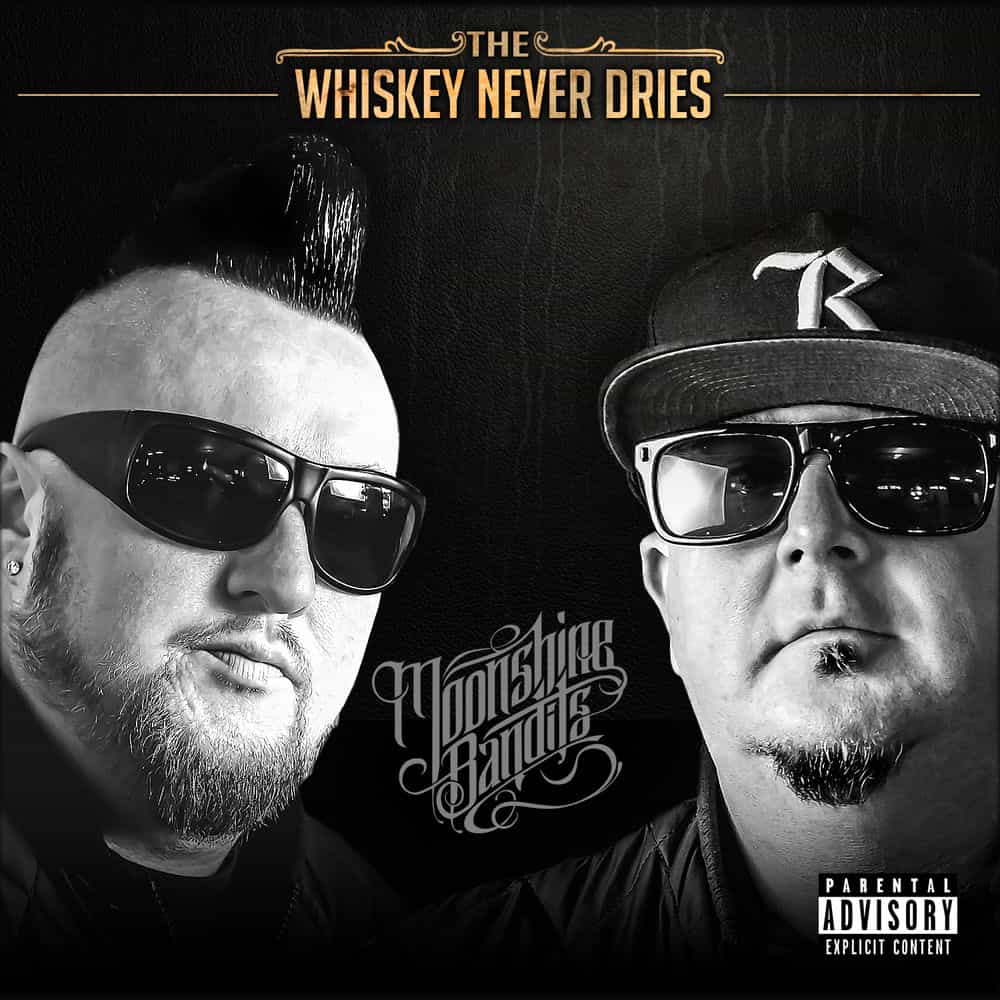
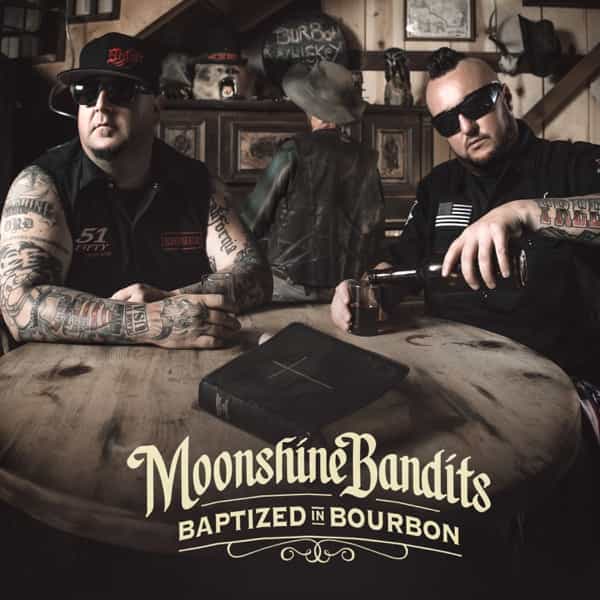
burncounty.com further up this section is the studio, and Ty Weathers at the top of the section is the operator himself. the two below are the music brand and the marketing arm, each on its own domain, all four built by Studio Raine for the same operator: nine billboard top tens, an RIAA certified gold record, 300m+ streams. that shape is the Roster tier, and it is already running.
 currently in progress
 currently in progress
 currently in progress
the property landed him a client the preset world knows.
Quinton Bobbitt is the preset plug. he runs TheVoxBox, and his Yeat, Ken Carson and Drake presets are all over his channel. his preset work runs through the store Studio Raine built.
watch quinton on youtubeTwo domains, one build.
ai engineering at google, meta, microsoft and scale ai since the start of the ai hype, and a working catalog on the music side. software for this industry is normally built by people fluent in one of those and guessing at the other, which is why it comes out generic. that gap is the whole reason this studio exists, and it is not a service you can swap out for a cheaper pair of hands.
9top tens. onegold.
burncounty.com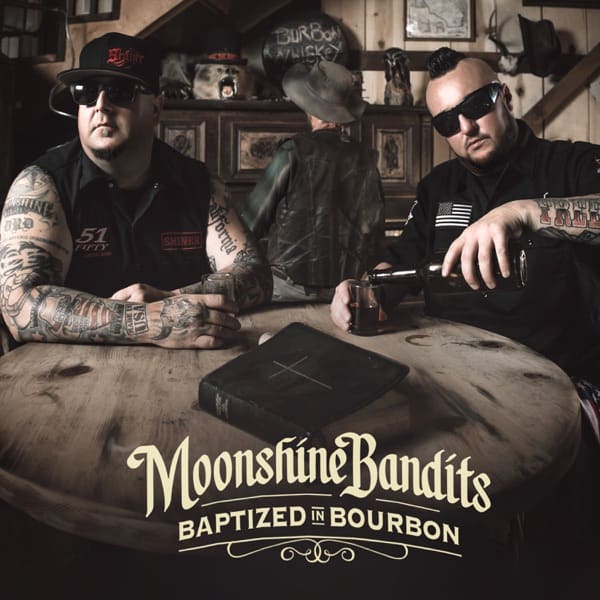

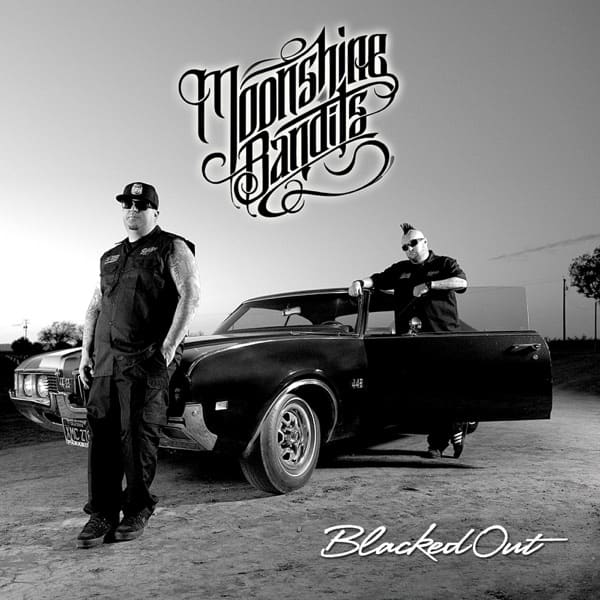

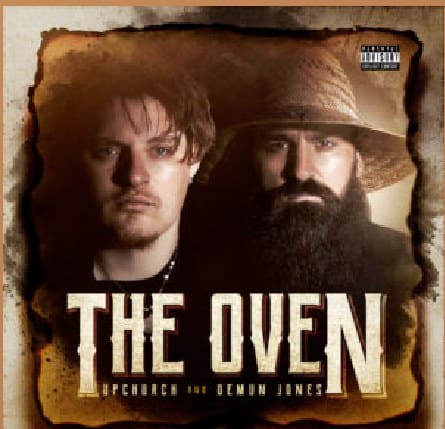
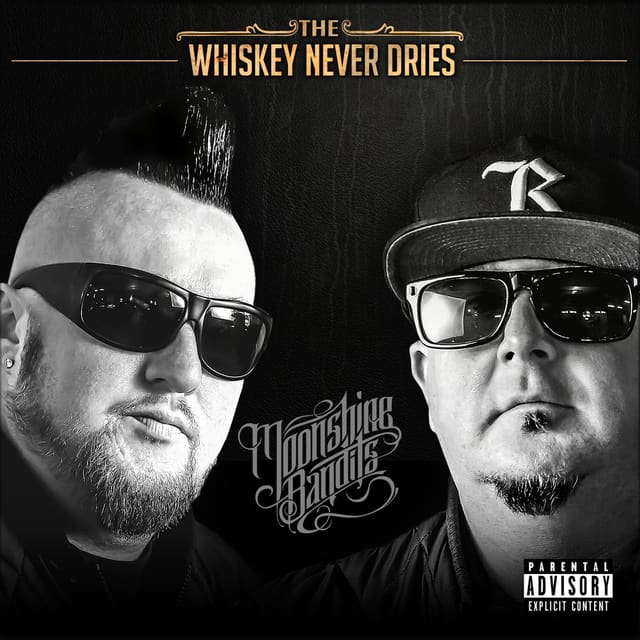
every placement, including jake angel beats' billboard no. 1
What the stack takes, and what it keeps.
take $50,000 a month in direct sales, whether that is one catalog or a whole roster. every rate below is the platform's own published figure, checked august 2026.
bandcamp, digital
10% past $5k, plus 4-6% processing
$7,000 to $8,000 gone
bandcamp, physical
10%, plus processing
$5,000 gone, before processing
shopify advanced
$399 a month, plus 2.5% + 30c
cheaper, and still rented
your own platform
~3% card processing
$48,500 lands, and the buyer is yours
The Engagement.
scoped in writing, priced before anything is built, shipped on a date. it runs like this:
- 1six artists. one storefront. can you scope it?scope + number + ship date, tomorrow.
We scope it
the diagnostic reads how the roster sells today and what it would take to own that channel. you get back a written scope with a fixed number and a ship date in it, and the fee comes off the build if you go ahead.
- 2yourlabel.combuild 03your colors
We build it
a working URL in week one and a new build every week after. your team opens the real thing on their phones rather than a picture of it.
- 3yourlabel.comyour nameand no licence backlicence.pdfnone
You own it
code, domains, merchant account, customer list, analytics, all transferred into your name at launch. owning it and running it are different things: the studio keeps running it for as long as you want that.
What ships.
not yourname.linktr.ee
every property on a domain in your name. not a subdomain on a Studio Raine platform, not a page on theirs.
stripe direct. nobody in the middle
stripe in your merchant account. your payout schedule, roughly 3% card processing, no commission stacked on top of it.
paid and locked on your page. no dm tag
every buyer lands in your CRM, not a platform's. the studio never markets to them, never sells the data, and is out of the data path entirely once the build is handed over.
instant delivery after checkout
a beat and stem store under your own label rather than a booth inside beatstars or airbit. every sale writes its own licence agreement, stamped with the buyer's name, zipped with the files, and the buyer lands on your list instead of the marketplace's. built for Jake Angel Beats, in production now.
looks like your music sounds
artist pages, release pages, tour dates, drops. spun up per release by your team, not by a vendor ticket.
you typed it. it is live. no code
copy, prices, art, dates, roster changes. the studio handles them by default. the dashboard is there so your team can, not so your team has to.
The channel is the easy half.
once the roster sells direct, the label is sitting on first-party data it has never had before, and no way to act on it. the platforms that do this are built for retail, priced for enterprise, and assume the buyer has a data team to run them. this is the same engineering, built onto the channel you already own.
- Segments that mean something in music
who buys vinyl and never merch, who preorders every time, who bought once at a show and never again, who lapsed after the last record. not age brackets.
- Who to email first
a release goes out in an order, not a blast. propensity scoring on your own buyers decides who hears about a drop first, and what to press, and how many.
- The catalog describes itself
metadata, release pages and store copy generated across a back catalog rather than typed by whoever is free. thousands of items, consistent, in your voice.
- Streaming data, next to sales data
what the DSPs report, pulled in and sat beside what people actually bought from you. the two have never been in the same place, so nobody knows which streams turn into buyers and which never do.
- What the back catalog is worth
which records still sell, which never stopped, which press would clear and which would sit in a warehouse. a catalog nobody has looked at properly in years, read in one pass.
- The inbox handles itself
where is my order, can I change the size, the download failed. the D2C support load a store creates, answered automatically and escalated when it is real.
it sits on top of the stack you already run.
distribution, DSPs, socials, storefronts, payments. the platform sits on top of what you already run and takes nothing away from it.
streaming
audience
money
if your team uses it, it connects. don't see yours? it gets wired in.
What a normal week looks like.
a release goes up on a friday because you asked for it on wednesday. the buyer's email is in your CRM before the download finishes. the licence wrote itself and stamped their name on it. no commission, and nobody on your side had to open anything.
nothing about that is dramatic. it is the arrangement working in your favour, which is all it was ever supposed to do.
you typed it. it is live. no code
stripe direct. nobody in the middle
What it costs.
Three tiers,and the scope sets the number.
every engagement is quoted against its scope, so the number is the one for the work rather than a list price you have to argue down. the scope is what sets the timeline too. once it is signed the number and the date are fixed in writing, and payment is in full up front.
The D2C Diagnostic
start herebefore any build, and it is how most engagements start.
fixed fee
credited in full against the engagementone week
a fixed-price read of how your roster actually sells direct today, and what it would take to own that channel. you finish with the scope document the build runs on, whether or not the build is with this studio.
- an audit of where the roster sells now, and what each layer takes
- your own fee math, run on your real volume rather than an example
- who currently owns the customer data, what it would take to hold it, and what it could tell you once you do
- a written scope: what gets built, in what order, with the number and the timeline
- a walkthrough call on the document, with your team on it
- the document is yours either way, and it is specific enough to hand to another studio
if you go ahead within 90 days, the full diagnostic fee comes off the engagement. if you do not, you keep the scope and owe nothing further.
What it costs.
in full, up frontone operator. one property. artist, producer, engineer, studio or dj.
the label, plus five artist properties, at whatever stage each one is. more scale from there.
custom infrastructure. scoped one at a time.
Artist
you get your own platform instead of a page on somebody else's. built to your identity rather than to a template, and it does not wait on a tour, a beat store or a merch line to look like something.
- one custom property on a domain you own
- direct checkout in your merchant account
- email and SMS capture from day one, before there is anything to sell
- release pages, tour dates, booking
- self-serve dashboard for the team
- full asset transfer at launch
Roster
standard
the label's own platform and the roster running under it. one catalog storefront, one customer list, one dashboard anyone at the label can open.
- label platform plus five artist properties, and priced per property beyond that
- developing acts get a property built to grow the list first, with the store opening when the tour and the merch exist
- one catalog storefront across the whole roster
- licensing and delivery automation per sale, beats and stems included
- your customer list, wired to your CRM, with the intelligence layer scoped on request
- a login for everyone at the label who needs one
- full asset transfer at launch
Catalog
when the thing you need does not exist yet: licensing engines, splits and royalty-facing dashboards, distribution integrations, a property per release across a catalog.
- unlimited properties across the catalog
- your own marketplace, with every producer on the roster selling under the label rather than on beatstars or airbit
- custom software built to your operation
- royalty and splits dashboards, with the numbers each side is allowed to see
- the intelligence layer: segmentation, propensity, catalog generation
- integrations with the systems you already run
- retained engineering after launch
- direct line to the person writing the code
- full asset transfer at launch
scoped one at a time
most engagements start with the diagnostic above, and builds start in the order they are signed. no urgency in that, it is just how the calendar works.
after launch
the retainer is how most clients run it: you send the change, the studio ships it, the platform keeps moving as the roster signs and drops, and the data layer gets sharper the longer it runs. answered within the hour on a working day, new york time, most changes live the same day, and release days are covered by arrangement. a monthly retainer, month to month, engineering rather than support tickets. the self-serve dashboard comes with every build at no monthly cost, so doing it yourself stays an option. it is an option, not the plan.
see the full processyou text it. the studio ships it. the whole process is on the pricing page.
What you’re probably thinking.
what are the terms?
reading the terms
0 surprisesthe number and the ship date are agreed against a written scope before anything is built, and from there neither moves. payment is in full, up front. at launch the code, the domains, the merchant account, the customer list and the analytics all transfer into your name. no licence to renew, no surprises later.
what does it cost?
published. scope sets the final number
most engagements start with the diagnostic, which produces the scope and is credited in full against the build. from there it is one artist property, a label platform with five, or custom catalog infrastructure. scope decides which, and once signed the number is fixed in writing before work starts.
how long does it take?
scope to live. eight days
the timeline is set in the scope, because scope is what decides it. for reference, the last single-property build went signed scope to live in eight days, and that store already moves preset work for Quinton Bobbitt, the preset plug on YouTube. whatever date the scope lands on is the one in writing.
what about our warehouse and fulfilment?
keep them. the site sits on top
it stays exactly where it is. the studio does not run warehousing and does not want to: your 3PL keeps picking and packing, and the platform is wired into it so orders, stock and tracking flow both ways. the same goes for anything else you already sell through. nothing gets migrated away and nothing stops working.
nobody here is technical. is that a problem?
it is the normal case and the reason the studio exists. no one on your side needs to be technical at any point, during the build or after it. you send what you want changed in plain words and it ships, usually the same day. the dashboard is there for the moments your team would rather not wait, never because there is nobody else to do it.
what about our domains?
even the dead one. and if none, i get you one
they end up in your name, every one of them. already own the domain, even a dead one that 404s? it gets used. need new ones for the roster? they get registered to you, never to the studio.